
Fun in Seattle
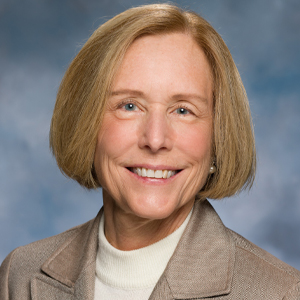
We all know that the best part of any American Society for Biochemistry and Molecular Biology annual meeting is immersion in cutting-edge science — and Discover BMB in March in Seattle will be no exception.
I’ve found, however, that informal interactions — chatting with other scientists over coffee or meals or just hanging out in the exhibit hall — are often just as enjoyable and productive as the formal conference program. And organizers have designed Discover BMB, our first independent annual meeting in recent years, with plenty of opportunities for such socializing from beginning to end, both within and beyond the Seattle Convention Center walls.
Along with the traditional exhibitors, career development activities and meet-the-experts sessions in the exhibit hall, we’ll introduce some new activities, including a photographer to take professional headshots, chair yoga to relax and refresh, and games and scavenger hunts — just for fun.
We’ll close out each day with poster sessions and interest group meetups (with refreshments!) — a great way to connect with colleagues just before you leave the hall for dinner and evening socializing.
Be sure you make plans to explore Seattle. I recently chatted with John Scott, an ASBMB fellow and a professor at the University of Washington, and he reminded me of all the city’s fun destinations. Grab a cup of coffee at the original Starbucks store just half a mile from the convention center. Or try artisanal roasts at one of the many coffee houses. Whatever your preference, coffee is practically synonymous with Seattle.
The venerable nine-acre Pike Place Market near the waterfront is a fun destination for lunch or dinner. The iconic Seattle Space Needle and adjoining Chihuly Garden and Glass are just one mile (a single monorail stop) from the convention center. Or hop on a ferry to see the Seattle skyline from the water. Bainbridge Island is just a 35-minute ride across Puget Sound.
Finally, for some fishy fun, Discover BMB will close with a reception at the Seattle Aquarium — a great chance to mingle with all your old and new friends while exploring spectacular exhibits of birds, fish, mammals, and cephalopods and other invertebrates indigenous to the Pacific Northwest. When you’re making travel plans, be sure to allow time to cap off the meeting with this Tuesday evening event.
Of course, Discover BMB will continue our tradition of great science with an exciting program coordinated by co-chairs Karen Allen and Craig Cameron and the planning committee. There’s still time for you to showcase your research. Late-breaking abstract submissions open Dec. 4 and continue through Jan. 4.
Enjoy reading ASBMB Today?
Become a member to receive the print edition four times a year and the digital edition monthly.
Learn moreFeatured jobs
from the ASBMB career center
Get the latest from ASBMB Today
Enter your email address, and we’ll send you a weekly email with recent articles, interviews and more.
Latest in Opinions
Opinions highlights or most popular articles
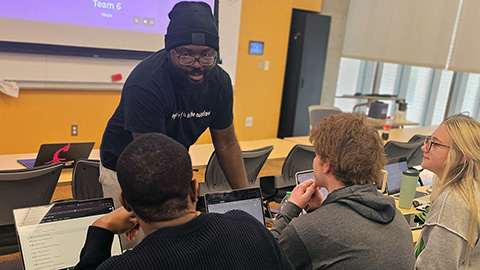
Learning can be fun: Gaming anatomy and physiology
Instructors explore how gamification and active learning transform student engagement and retention. They convey how emotion, interaction and design can make even rigorous subjects more effective and memorable.
Mentorship and uncertainty: Lessons from Telemachus
A biochemistry educator reflects on mentorship through the Greek story of Telemachus, showing how embracing uncertainty, failure and curiosity can transform teaching.
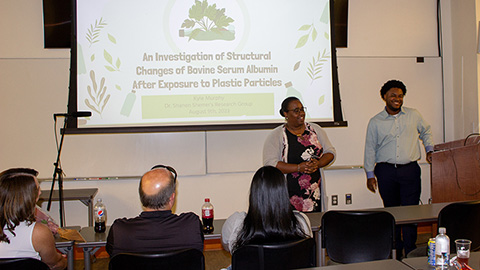
Embracing the twists and turns along the educator pathway
A biochemistry educator reflects on the challenges of early faculty life, describing how evidence-based teaching, cross-disciplinary collaboration and classroom challenges shaped her growth.
Redesigning with students in mind
Assistant professor reflects on how the shift to online teaching revealed gaps in points-based grading and led to a redesign centered on transparency and student growth.
Teaching beyond information transfer
Educator reflects on moving beyond lectures to create a biochemistry classroom centered on engagement, transparency and student ownership, showing how small shifts like “student hours” and active learning can transform understanding.
Mayday! Lessons from cellular dysfunction and group work dynamics
An upper-level biology course revealed that strong science doesn’t guarantee strong teamwork. One instructor shares how failed group dynamics reshaped their approach, leading to more structured, collaborative and effective student learning.