
Celebrating together, apart
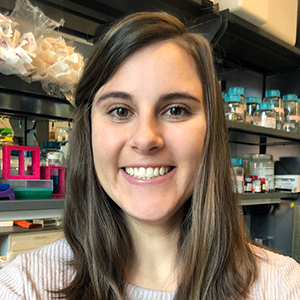
Throughout the upheaval caused by the COVID-19 pandemic, I've been fortunate to keep my postdoctoral fellowship and remain surrounded by my supportive lab mates and mentor. Yet while we prioritize safety, social distancing takes its toll. We've all felt disappointed about canceled conferences, graduations, ceremonies and gatherings.
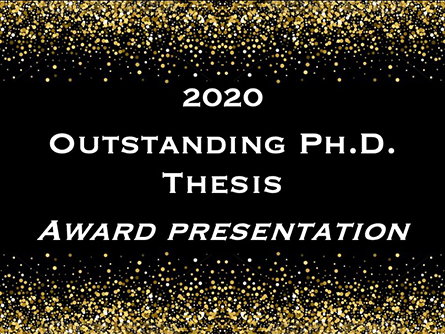
This rang true for me when my former roommate and best friend won a prominent award from our graduate school program for her thesis work. Normally, this honor is the occasion for a ceremony and reception with awardees surrounded by proud faculty, friends and family. This year, that wasn't possible.
It seemed like a small sacrifice to ensure everyone's safety. At the same time, it felt like her accomplishment (and all the work she put into earning it) was diminished. And the ceremony would have been a chance for us to reunite with close friends who had defended and graduated this year, then moved away to start new careers across the country.
I found it hard to reconcile feeling disappointed by something like a canceled awards ceremony with knowing people everywhere faced more immediate and dire problems. I was at a loss. I couldn't reunite with my closest friends, and I felt overwhelmed with guilt for even being sad. I felt powerless, unable to end the pandemic and just wanting to have something that felt normal.
For months, I'd pushed all the canceled celebrations out of my mind. I worked on adjusting, processing and rationalizing the idea that it's OK to celebrate anything in a pandemic. That brought me to the fall, around the usual date for presentation of the aforementioned awards. Just because the school wasn't hosting a ceremony, that didn't mean we couldn't celebrate.
And that's what we did — my friend (the awardee), our other friend (we're a trio) and I set a date for our own virtual celebration. Invitations were made (think black background, glitter and an unnecessary level of formality) and sent out, although the entire guest list was the three of us and significant others. An emcee was hired (just kidding — it was me), and a presentation was prepared. We were set. We just had to count down the days to our custom-designed celebration/reunion.

When the night of the ceremony arrived, we each grabbed a glass of wine, logged onto Zoom (this time without the dread of yet another online meeting), and the self-made award presentation began. We talked about the award itself and its history as well as the awardee, her thesis work and why she was a deserving recipient. There was a toast, we all said "Cheers!" and the ceremony was over. It was fun, short and safe.
The evening progressed to our version of the reception, across time zones, which included catching up (and glimpses of one particularly curious and mischievous cat friend). For me, this was a much-needed mental boost I didn't know I needed. I ended the call feeling more connected to my friends and less stressed than I had been all week, maybe longer.
It lacked the fanfare of a typical ceremony. But the important elements remained — we recognized our friend's hard work to earn the award, reunited after moving to different parts of the country and even saw the awardee blush as she reveled in our words and support. It wasn't what we expected for this year, but it was better than doing nothing.
Things are weird right now. A canceled in-person award ceremony is an understandable (and encouraged) consequence of the pandemic. But the lack of normalcy doesn't mean we can't celebrate.
People still put in the work, and their work should be acknowledged. Not in a way that puts anyone's health at risk or minimizes the terrible effects of COVID-19 but in a way that provides the recognition and connections of an in-person ceremony.
We all have different approaches to protecting our mental health. This type of virtual ceremony may not be your cup of tea. For me, acknowledging that I wanted to connect with faraway friends for a few moments helped me find balance and mental well-being.
And you don't need to wait for a canceled event. Grab your favorite drink (tea, wine, whatever it may be) and send a quick email to your favorite fellow scientists. Did you meet that grant deadline? Celebrate. Did you manage to make it through the week? Celebrate.
Take a little extra time just to be together.
Enjoy reading ASBMB Today?
Become a member to receive the print edition four times a year and the digital edition monthly.
Learn moreGet the latest from ASBMB Today
Enter your email address, and we’ll send you a weekly email with recent articles, interviews and more.
Latest in Opinions
Opinions highlights or most popular articles
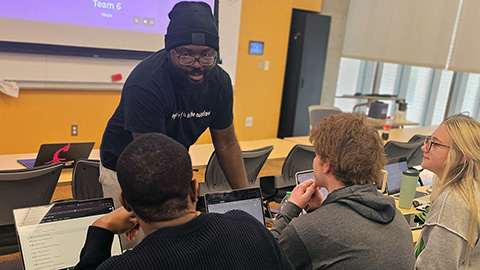
Learning can be fun: Gaming anatomy and physiology
Instructors explore how gamification and active learning transform student engagement and retention. They convey how emotion, interaction and design can make even rigorous subjects more effective and memorable.

Mentorship and uncertainty: Lessons from Telemachus
A biochemistry educator reflects on mentorship through the Greek story of Telemachus, showing how embracing uncertainty, failure and curiosity can transform teaching.
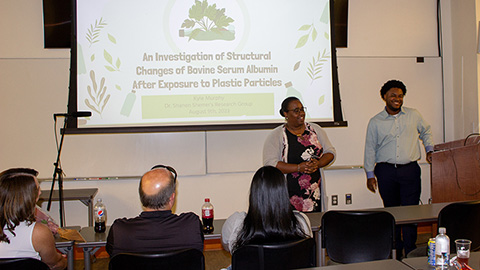
Embracing the twists and turns along the educator pathway
A biochemistry educator reflects on the challenges of early faculty life, describing how evidence-based teaching, cross-disciplinary collaboration and classroom challenges shaped her growth.
Redesigning with students in mind
Assistant professor reflects on how the shift to online teaching revealed gaps in points-based grading and led to a redesign centered on transparency and student growth.
Teaching beyond information transfer
Educator reflects on moving beyond lectures to create a biochemistry classroom centered on engagement, transparency and student ownership, showing how small shifts like “student hours” and active learning can transform understanding.
Mayday! Lessons from cellular dysfunction and group work dynamics
An upper-level biology course revealed that strong science doesn’t guarantee strong teamwork. One instructor shares how failed group dynamics reshaped their approach, leading to more structured, collaborative and effective student learning.