
So you went to your first meeting. But now what?
While there are many tips online for how first-time conference attendees can make the most of the experience, suggestions of post-conference moves are rare. While preconference planning is essential, post-conference moves also may help you realize the benefits of a meeting. Here, I’ve pulled together a few recommendations.
Establish new contacts.
This applies to authorities in your research area or areas of interest whom you did not have a chance to approach during the conference. Explain why you didn’t see them during the meeting and why you have decided to contact them after the conference. If you have gotten very familiar with the research projects in their labs and are equipped with relevant skills, doing this may be helpful, as some postdoc positions are not advertised, and, even if there aren't any positions waiting to be filled in their labs, they might pass on your CV to other faculty members.
Request feedback on your presentation.
The feedback and advice from those you get to talk to during the conference is valuable, but you never know how the feedback from those you communicate with via email after the conference can further benefit you.
Keep track of their latest publications.
Whether you are a trainee planning to do postdoctoral work or are just generally seeking to become a better scientist, keeping track of the latest published work of leaders in your research area is important. Read their latest papers and keep in touch.
Follow up.
Following up with your peers is just as important as following up with leaders in your research area. When you go for interviews or explore opportunities for collaboration, you never know who you are going to encounter. Even if immediate collaborations are not possible, follow-up emails or any other means to keep in touch may turn out to have long-term benefits.
I recently learned that a friend of a friend had just started postdoctoral training. This fellow’s postdoc position was in the laboratory of an investigator who was an ex-colleague of a contact he established after a conference he attended over two years ago. They kept in touch and the contact got him connected with his ex-colleague, who happened to be looking for a postdoc. The rest was history. This is a good reminder that the opportunities and benefits of post-conference follow-up can come in an indirect way.
Enjoy reading ASBMB Today?
Become a member to receive the print edition four times a year and the digital edition monthly.
Learn moreFeatured jobs
from the ASBMB career center
Get the latest from ASBMB Today
Enter your email address, and we’ll send you a weekly email with recent articles, interviews and more.
Latest in Careers
Careers highlights or most popular articles
Upcoming opportunities
🗨️ Shape the conversation at ASBMB 2027 in Boston! ASBMB is seeking proposals for sessions and events that will foster collaboration, highlight exciting science and support career development across the molecular life sciences.
Upcoming opportunities
Registration is now open for this summer's Art of Science Communication course! Build your science communication skills in this 8-week online program. ➡️ Registration deadline: May 6.

Upcoming opportunities
The American Society for Biochemistry and Molecular Biology is accepting applications for the Marion B. Sewer Distinguished Scholarship for Undergraduates. Apply by April 30, 2026.
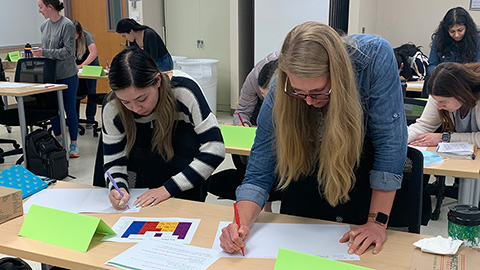
Designing scientific careers, not just experiments
Universities are rethinking how they prepare scientists for careers beyond the bench. From myIDP to Vanderbilt’s Career Architect, programs help trainees clarify values, explore options and build intentional paths forward.
Upcoming opportunities
Dive into the world of lipids! Join the ASBMB Lipid Research Division Seminar Series on April 9, 12–1 p.m. ET to hear early-career researchers explore lipid metabolism and mitochondrial biology.
Upcoming opportunities
For the summer 2026 ASBMB Today essay series, we invite scientists working in industry to share first-person reflections on their work. Submit your essay or pitch by April 15, 2026.