

A tale of two postdocs
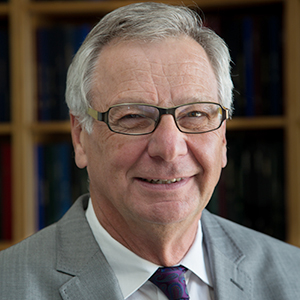
A postdoctoral fellowship is a crucial transitional step on the road to an independent research position, especially a faculty appointment. A key element to consider is the lab culture. Is it one where you can develop your own project, or are you part of a well-oiled research machine? It turned out that I benefitted from both experiences.
After I graduated with my Ph.D. in biochemistry from the University of British Columbia in 1978, I was lucky enough to win a two-year Medical Research Council of Canada postdoctoral fellowship to join the laboratory of Guido Guidotti at Harvard University, where the focus was on studies of membrane proteins.
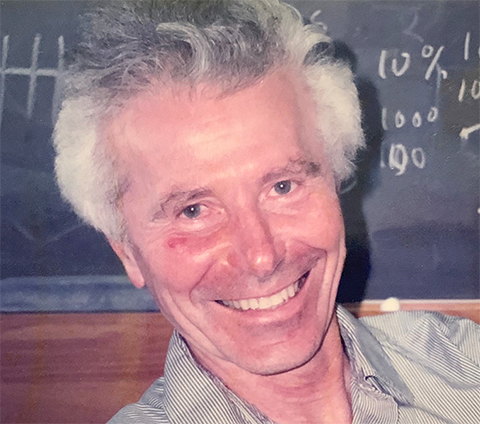
Guidotti was a unique scientist. He expected everyone in his lab to develop their own projects, and he didn’t put his name on papers unless he did some of the bench work himself. I decided to work on the oligomeric structure of the Band 3 anion transport protein of human red blood cells, which resulted in a single-author paper in the Journal of Biological Chemistry. Guidotti also encouraged collaboration within his large group, and I benefited from joint projects with Lewis Cantley, now a professor of cell biology at the Dana Farber Cancer Institutes, and Anjana Rao, a professor at the La Jolla Institute for Immunology. We combined our complementary expertise to publish three more papers on Band 3.
The opportunity to develop a new project from concept to publication was certainly challenging, but with the support of a mentor like Guidotti, I developed the very skills I needed to start an independent research program. I also learned the power of teamwork and collaboration, a theme I continued to use throughout my career.
I decided to return to Canada to build my network and find a research position. I turned down a job in a government lab and chose to do a second postdoc with David MacLennan, a leading expert in proteins of the sarcoplasmic reticulum, at the University of Toronto. MacLennan had a carefully laid-out plan for his research and had assembled a team of outstanding postdocs to work on various projects. He made it very clear that all projects would remain under his direction. We decided I would work on the biosynthesis of SR proteins, which introduced me to emerging techniques like cell-free translation. MacLennan gave me the opportunity to supervise a couple of terrific technicians, which provided me with lab management skills.
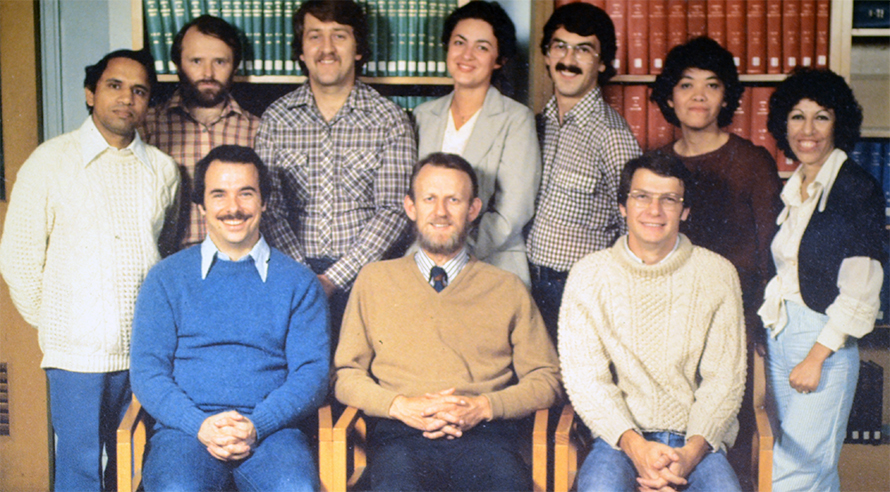
After two years, MacLennan encouraged me to seek an independent faculty position. With his support, I landed a job in the biochemistry department at the University of Alberta, home to the Medical Research Council Group in Protein Structure and Function. I knew I couldn’t compete with the MacLennan lab, so I proposed that we continue to collaborate, which we did for many years. For my independent project, I went back to Band 3 and received an MRC research grant on the subject of my first postdoc. I had experience with the system and papers to demonstrate my success in the field. The MRC Group proved the expertise and resources I needed to work on the structure of the Band 3 protein in my own lab.
When I work with postdocs, I encourage them to develop their own lines of inquiry so they can take their projects with them, especially if they decide to pursue an academic career path. I act more as a mentor than a supervisor and am open to helping trainees explore various career options.
If you are looking for a faculty position, make sure that you find a postdoc where you can demonstrate independence and develop not only your technical skills but your people skills, including teamwork. Before you decide on a postdoc position, research the lab projects and expertise, read the papers, interview the supervisor and reach out to current and former members of the lab to get a sense of the lab culture and if it is a good fit for you.
Enjoy reading ASBMB Today?
Become a member to receive the print edition four times a year and the digital edition monthly.
Learn moreFeatured jobs
from the ASBMB career center
Get the latest from ASBMB Today
Enter your email address, and we’ll send you a weekly email with recent articles, interviews and more.
Latest in Careers
Careers highlights or most popular articles
Upcoming opportunities
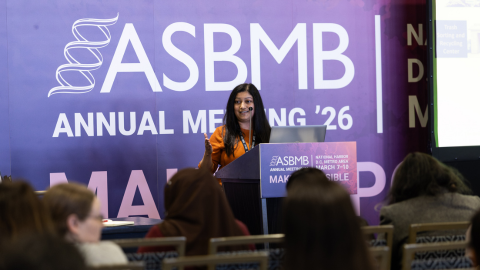
🗨️ Shape the conversation at ASBMB 2027 in Boston! ASBMB is seeking proposals for sessions and events that will foster collaboration, highlight exciting science and support career development across the molecular life sciences.
Upcoming opportunities
Registration is now open for this summer's Art of Science Communication course! Build your science communication skills in this 8-week online program. ➡️ Registration deadline: May 6.

Upcoming opportunities
The American Society for Biochemistry and Molecular Biology is accepting applications for the Marion B. Sewer Distinguished Scholarship for Undergraduates. Apply by April 30, 2026.
Designing scientific careers, not just experiments
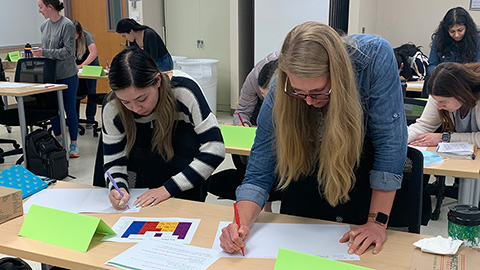
Universities are rethinking how they prepare scientists for careers beyond the bench. From myIDP to Vanderbilt’s Career Architect, programs help trainees clarify values, explore options and build intentional paths forward.
Upcoming opportunities
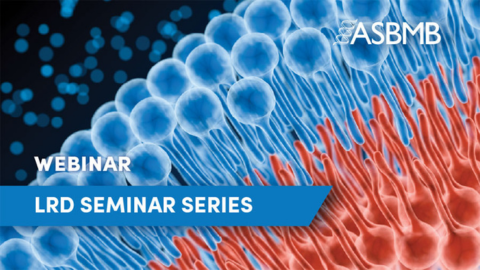
Dive into the world of lipids! Join the ASBMB Lipid Research Division Seminar Series on April 9, 12–1 p.m. ET to hear early-career researchers explore lipid metabolism and mitochondrial biology.
Upcoming opportunities
For the summer 2026 ASBMB Today essay series, we invite scientists working in industry to share first-person reflections on their work. Submit your essay or pitch by April 15, 2026.