
Catalyzing change and redefining purpose
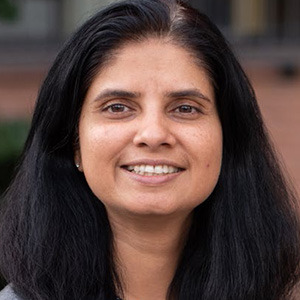
I arrived in the U.S. from India for my postdoctoral training enticed by the prospects of exciting science and an incredible environment at the National Institutes of Health. Instead of being a temporary stop, this country became my newfound home, where I envisioned building my professional career and raising my family. The journey to secure a faculty position for a dual-career scientific couple was a long, rocky road that ultimately brought me to Howard University College of Medicine in 2011.
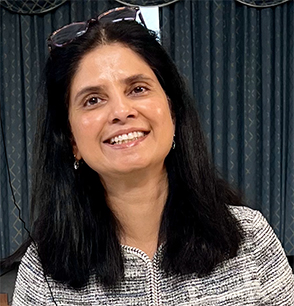
Establishing an independent research program, navigating the tenure process and striving for promotion consumed my focus, and those early years seemed to pass in a blur. However, I also felt a strong desire for change, and a deeper sense of purpose emerged within me. Occupied with interim leadership responsibilities, coordinating medical courses, teaching and mentoring students, participating in committees and managing my research endeavors and grants, I had little time or need to contemplate revitalization — or so I convinced myself.
One day, during the early pandemic lockdown, I received an unexpected email from an investigator at the National Human Genome Research Institute, inviting me to join a collaborative study probing the genetic basis of COVID-19 susceptibility and manifestations. Howard University Hospital primarily serves patients from underrepresented communities, so recruiting our participants for this study was pivotal in comprehending the disproportionate impact of COVID-19 on African Americans and other ethnic groups.
Although it was challenging, spearheading this project — obtaining IRB approval, assembling a clinical team, and leading the endeavor — promised not just a learning opportunity for a basic scientist like me; it also gave me a profound purpose. The samples we collected from our patients held the potential to unravel the underlying health disparities in COVID-19.
I directed the project at our site, gathering samples from COVID-19 patients that contributed to an important publication. Representing Howard University and our patients in this work was a humbling experience. With this scientific detour during an unprecedented time in history, I was able to shift focus from the constraints the pandemic imposed on my lab's research progress and productivity. I was given an extraordinary opportunity to make a substantial impact. Above all, this experience highlighted my yearning to be an active member of a broader community, where I could both contribute to and benefit from the expertise and knowledge of my peers.
Early on, my success as a scientist meant acquiring deep expertise to address crucial research questions, measured by grants and publications. Transitioning to a faculty role broadened my focus to include teaching and service, critical for promotion and shaping the perception of success. As I reflect, I realize that my definition of success has changed over time, propelled by professional and personal circumstances, and I have needed to embrace the challenges and redefine my purpose.
Career reinvention and reinvigoration: four stories
To mark Women’s History Month, four members of the American Society for Biochemistry and Molecular Biology’s Women in Biochemistry and Molecular Biology Committee, known as the WIBMB, have written personal essays about their career journeys.
Read them all:
Pursuing the call to change by Karlett Parra
Catalyzing change and redefining purpose by Sudha Sharma
Building community by Megan Filbin
The power of sabbaticals by Nicholas Rhind
Enjoy reading ASBMB Today?
Become a member to receive the print edition four times a year and the digital edition monthly.
Learn moreFeatured jobs
from the ASBMB career center
Get the latest from ASBMB Today
Enter your email address, and we’ll send you a weekly email with recent articles, interviews and more.
Latest in Careers
Careers highlights or most popular articles
Upcoming opportunities
🗨️ Shape the conversation at ASBMB 2027 in Boston! ASBMB is seeking proposals for sessions and events that will foster collaboration, highlight exciting science and support career development across the molecular life sciences.
Upcoming opportunities
Registration is now open for this summer's Art of Science Communication course! Build your science communication skills in this 8-week online program. ➡️ Registration deadline: May 6.

Upcoming opportunities
The American Society for Biochemistry and Molecular Biology is accepting applications for the Marion B. Sewer Distinguished Scholarship for Undergraduates. Apply by April 30, 2026.
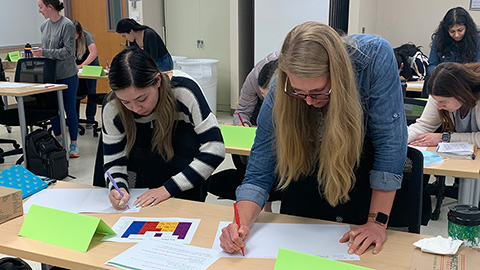
Designing scientific careers, not just experiments
Universities are rethinking how they prepare scientists for careers beyond the bench. From myIDP to Vanderbilt’s Career Architect, programs help trainees clarify values, explore options and build intentional paths forward.
Upcoming opportunities
Dive into the world of lipids! Join the ASBMB Lipid Research Division Seminar Series on April 9, 12–1 p.m. ET to hear early-career researchers explore lipid metabolism and mitochondrial biology.
Upcoming opportunities
For the summer 2026 ASBMB Today essay series, we invite scientists working in industry to share first-person reflections on their work. Submit your essay or pitch by April 15, 2026.