Contributors
Marina K. Holz
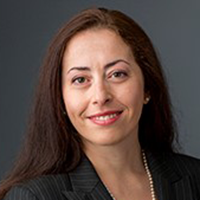
Marina Holz is the dean of the Graduate School of Biomedical Sciences at New York Medical College and a special assistant to the chancellor. Holz studies signaling by hormones and growth factors in breast cancer and the rare diseases lymphangioleiomyomatosis, or LAM, and tuberous sclerosis complex. She is an ASBMB fellow and currently serves on the ASBMB Membership Committee. Previously, she served on the ASBMB Interactive Mentoring Activities for Grantsmanship Enhancement Steering Committee and the ASBMB Women in Biochemistry and Molecular Biology. Holz is the chair of the scientific advisory board of the LAM Foundation and is the executive editor of Biochimica et Biophysica Acta Reviews on Cancer. Holz earned her Ph.D. in cell and developmental biology from Harvard Medical School, MPH and DrPH in health policy and management from New York Medical College and a BSc with great distinction from McGill University.
Articles by Marina K. Holz
Women’s health cannot leave rare diseases behind

Must a female scientist be ambitious?

Supporting Ph.D. students in the time of COVID-19