Webinars
Lipid Research Division Seminar Series
June 17, 2026 | 12–1 p.m. Eastern | Free registration required
Presentations from young researchers highlighting their recent work in the field of lipids. Hosted by ASBMB's Lipid Research Division.
Speakers

Identification and targeting of ABHD18 as a strategy to alleviate TAZ mutant phenotypes
Sanna Masud, The Hospital for Sick Children
Mitochondrial dysfunction is a central driver of cardiac and neurodegenerative disease, yet the genetic networks governing mitochondrial fitness remain poorly understood. Using genome-wide CRISPR screens, we generated the first global genetic interaction map for TAFAZZIN (TAZ), the gene mutated in Barth Syndrome (BTHS), and both identified and characterized ABHD18 as the missing human cardiolipin lipase. We show that inhibition of ABHD18 suppresses TAZ-associated cellular defects and represents a promising therapeutic strategy for BTHS and cardiolipin-related disorders. This work highlights an integrated approach combining CRISPR screening, proteomics, lipidomics, and chemical biology to uncover disease mechanisms and develop targeted therapeutics.
Cardiolipin dynamics promote mitochondrial membrane remodeling
Halil Aydin, New York University
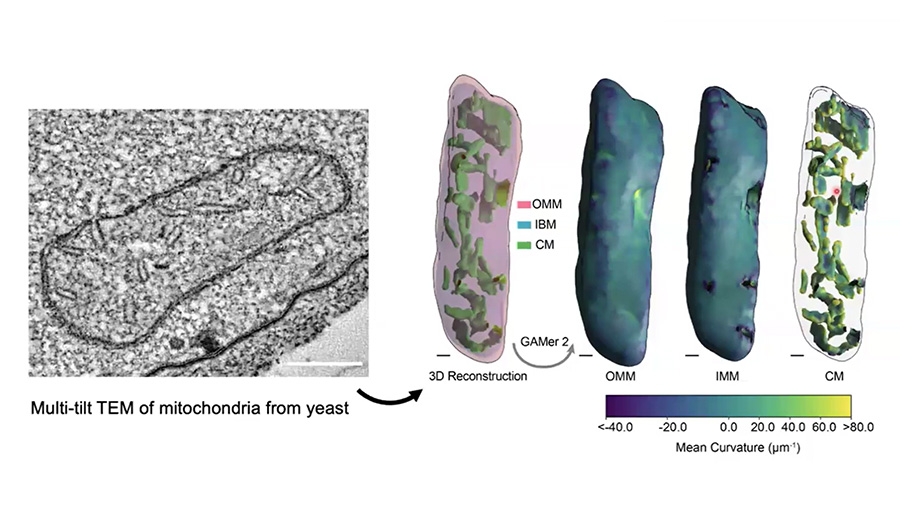
Distinct morphologies of the mitochondrial network support divergent metabolic and regulatory processes that determine cell function and fate. Cardiolipin (CL) is a mitochondria-specific phospholipid that forms heterotypic interactions with membrane-shaping proteins and regulates the dynamic remodeling and function of mitochondria. However, the precise mechanisms through which CL influences mitochondrial morphology are not well understood. In this webinar, I will present how CL regulates the activity of mitochondria-shaping proteins to maintain mitochondrial homeostasis, and provide a molecular explanation for the mechanisms underlying the disruptive effects of monolyso-cardiolipin (MLCL) accumulation on mitochondrial membrane dynamics.
Recent seminars

LRD Seminar Series
Homeostasis of sphingomyelin synthesis and subcellular distribution
Jan. 29, 2025