
Reading material

Pleased to Meet Me: Genes, Germs, and the
Curious Forces That Make Us Who We Are
By Bill Sullivan, Showalter professor of pharmacology and toxicology, microbiology and immunology, Indiana University School of Medicine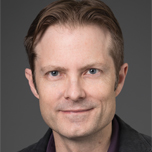
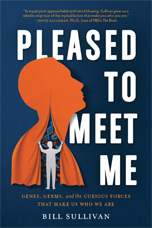
Why are you attracted to a certain “type”? Why are you a morning person? Why do you vote the way you do? What makes you you. “ Pleased to Meet Me” describes in everyday language how genetics, epigenetics, microbiology and psychology work together to influence personality and behavior. Mixing cutting-edge research with pop culture and humor, “Pleased to Meet Me” is filled with insights that shine a light on who we really are — and how we might become our best selves.
A Practical Guide to Writing a Ruth L. Kirschstein NRSA Grant
By Andrew D. Hollenbach, co-director of basic science curriculum, school of medicine, andprofessor, department of genetics, Louisiana State University Health Sciences Center New Orleans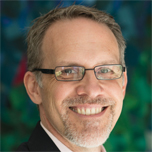
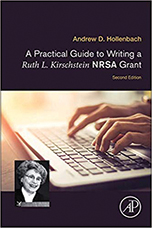
This second edition includes changes to the application since the first edition and continues to provide F-series grant applicants and mentors insider knowledge on the process by which these grants are reviewed, biases that contribute to reviews, the extent of information required in the application, a deeper understanding of the exact purpose of each section of the application, and key suggestions and recommendations on how to best construct every section of the application. This book is a solid resource for trainees and their mentors to use as a guide when constructing F30, F31, and F32 grant applications.
The Paracellular Channel: Biology, Physiology and Disease
By Jianghui Hou, associate professor of medicine, Washington University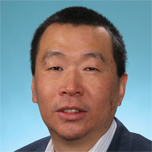
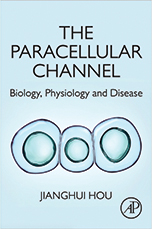
The Paracellular Channel: Biology, Physiology and Disease offers a cohesive and unifying picture of the critical functions of paracellular channels (tight junctions) in different tissues. This new class of ion channel utilizes a completely different mechanism to create ion passage pathways across the cell membrane. This volume outlines common principles that govern the organization and regulation of these diverse cellular structures, describes the methodology of study and highlights the pathophysiologic consequence of abnormal structures and functions of the paracellular channels in human diseases.
Are you an ASBMB member who has published a book in the past year?
If so, we'd like to feature your work in an upcoming issue fo ASBMB Today. Please email a synopsis (<100 words), an image fo the book's cover and your headshot.
Enjoy reading ASBMB Today?
Become a member to receive the print edition four times a year and the digital edition monthly.
Learn moreGet the latest from ASBMB Today
Enter your email address, and we’ll send you a weekly email with recent articles, interviews and more.
Latest in People
People highlights or most popular articles
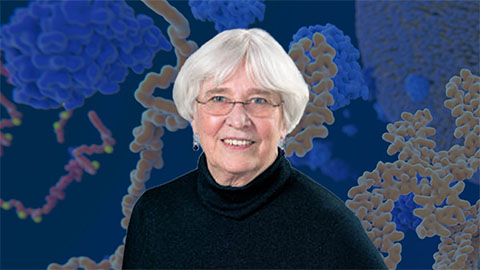
Kimble honored for lifetime achievement in genetics
She received the 2026 Thomas Hunt Morgan Medal and will be honored with a dedicated online profile and seminar.
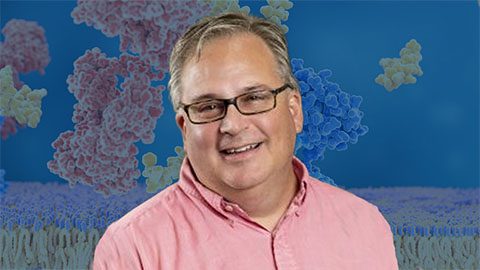
Janetka named distinguished professor
Washington University awarded him the inaugural Carl Frieden Distinguished Professorship.
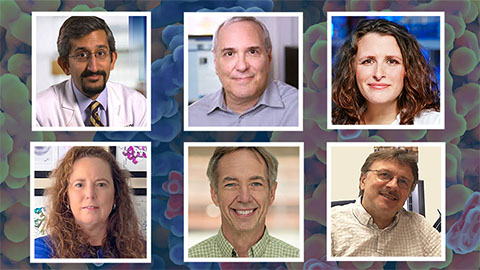
ASBMB members receive ASPET awards
The American Society for Pharmacology and Experimental Therapeutics awards Simone Brixius–Anderko, Paul Insel, Sudarshan Rajagopal, Emily Scott, Alan Smrcka and Jürgen Wess for their excellent research and mentoring work in pharmacology.
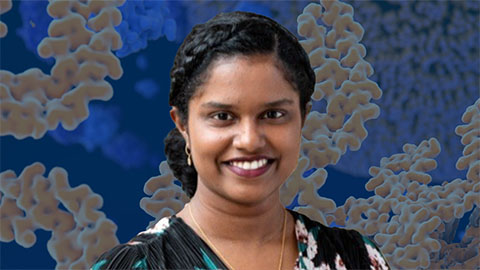
Kozul honored by Washington University
She received the 2025 Elliot L. Elson Education and Training Award.
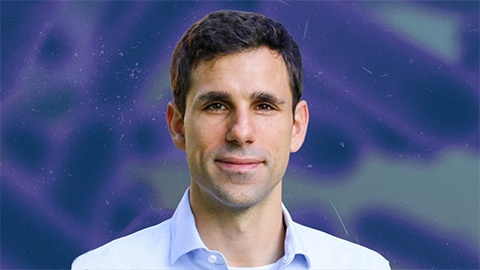
de la Fuente honored for AI research
The award will support the development of an AI system called ApexMol, a 3D structure–informed, agentic large language model designed to create new biomolecules.
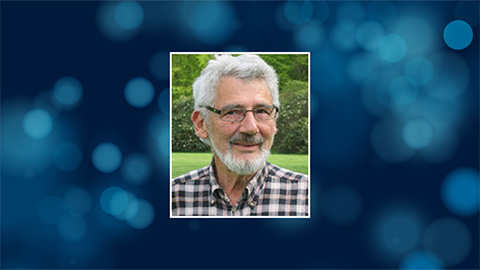
In memoriam: Peter Roepstorff
He was a leading researcher in biological mass spectrometry, mapped protein function in living organisms and was an ASBMB member for 19 years.